A stronger core should do more than make exercise feel harder. It should help you stand taller at work, move with more control in class, and feel steadier when life gets busy. That is why pilates for core stability has become such a smart choice for people who want real-world strength, not just sore abs.
At our studio, we see this all the time. People come in thinking the core is only about the stomach muscles, then realize it affects posture, balance, breathing, mobility, and even how confident they feel during everyday movement. When core training is done well, your whole body benefits.
What pilates for core stability really means
Core stability is your ability to control your trunk while your arms and legs move. It is not just about how hard you can brace or how many sit-ups you can do. It is about coordination, endurance, and control.
Pilates trains those qualities in a way that is focused and low impact. Instead of rushing through big, forceful movements, you learn how to engage deep abdominal muscles, support the spine, and move with intention. That matters whether you are carrying groceries, sitting at a desk, lifting weights, or getting back into exercise after time away.
A lot of workouts challenge the core as a side effect. Pilates puts it at the center of the work. That does not mean every class is easy. It means the effort is more precise. You are building strength that supports movement instead of fighting against it.
Why core stability matters beyond the workout
If you have ever noticed your lower back getting tired after standing too long, or your shoulders creeping forward after a day at the computer, there is a good chance your body is asking for better support. A stable core helps distribute effort more evenly so one area does not have to do all the work.
That is one of the biggest reasons people stick with Pilates. They start because they want to feel stronger, but they stay because daily movement starts to feel better. Posture improves. Balance gets steadier. Transitions like getting up from the floor, walking uphill, or reaching overhead feel smoother.
There is also a mental side to this. Pilates asks you to pay attention. You notice how you breathe, where you are compensating, and which muscles are trying to take over. That awareness is a big part of progress. It helps you train smarter, not just harder.
How Pilates builds a more stable core
The method works because it teaches your body to create support from the inside out. That starts with breath and alignment. When you learn to connect breathing with movement, your deep core muscles can engage more effectively. From there, exercises challenge your ability to stay centered while the rest of the body moves.
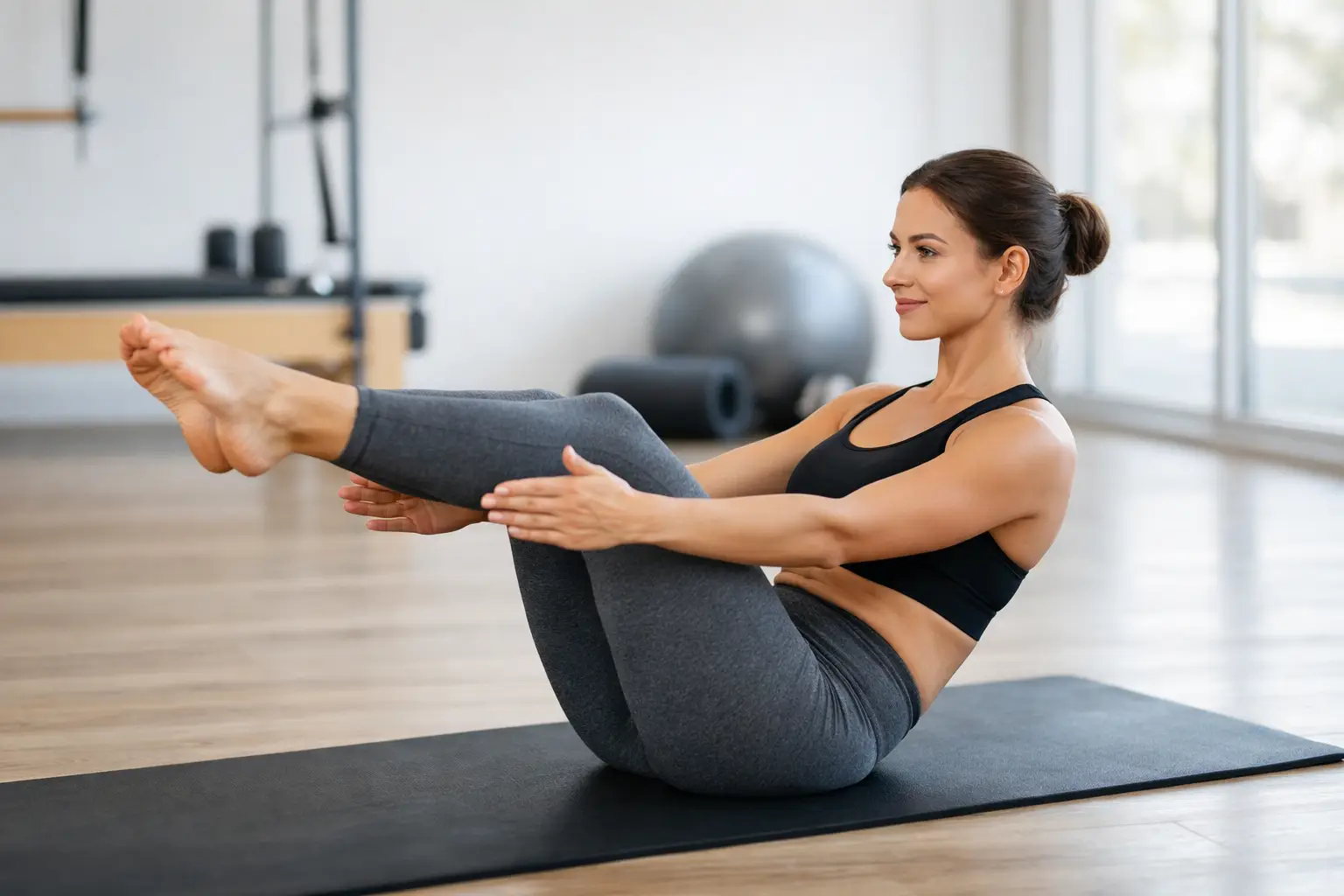
Some of that work looks subtle. A small leg lift can feel surprisingly intense when you are keeping the pelvis steady and the ribs connected. Other movements are more dynamic and ask your body to resist rotation, control extension, or maintain alignment through longer sets.
This is where Pilates stands out. It is not only training movement. It is training movement quality. That can be a game changer for beginners who need a safe, supported place to start, and for active adults who want better control to support running, strength training, or sports.
It targets endurance, not just effort
A stable core needs staying power. You need those muscles to support you through a full day, not only for ten seconds during a max effort drill. Pilates uses controlled repetition and time under tension to build that kind of endurance.
That is especially helpful for people dealing with desk posture, general deconditioning, or the feeling that their back or hips always take over. You are not just waking the core up. You are teaching it to keep showing up.
It respects mobility and alignment
Core work can backfire when it is all tension and no control. If you grip through the neck, lock the hips, or flatten every movement into a hard brace, you may feel effort without getting the right benefit. Pilates encourages support with mobility, which is a healthier long-term combination.
That does not mean every body moves the same way. Tight hips, past injuries, and different fitness levels all change what proper form looks like. That is why guided coaching makes such a difference.
Who benefits most from Pilates core training
The short answer is almost everyone. Beginners often do well with Pilates because it builds confidence without the pounding or intimidation factor that can come with other formats. You do not need to already be strong or flexible to start.
Busy professionals also benefit because core stability supports the things modern life tends to disrupt – posture, breathing, and efficient movement. If you spend hours sitting, commuting, or working on a screen, this kind of training can help your body feel more balanced.
More experienced exercisers benefit too. Runners, lifters, and recreational athletes often discover that stronger deep core control improves performance in ways they did not expect. They feel more connected, more balanced, and better able to generate force without leaking energy through poor alignment.
If you are dealing with pain, the answer is more individual. Pilates can be a great option for many people, but it depends on the cause of the discomfort and how exercises are modified. That is another reason instruction matters.
What to expect when you start
Most people are surprised by two things in their first few Pilates sessions. First, movements that look simple can feel very challenging. Second, the challenge usually comes from control, not speed.
You may notice muscles shaking during exercises that involve holding alignment while moving one leg or one arm. That is normal. It often means your body is learning to stabilize in a new way. Over time, those same movements start to feel smoother and more natural.
You should also expect progress to be gradual. Core stability is not built in one class. It improves through consistency, repetition, and good coaching. The goal is not perfection. The goal is better awareness, better support, and steady improvement.
How to get more from pilates for core stability
The best results usually come from showing up consistently and staying open to the basics. People often want the hardest version of an exercise right away, but real progress comes from owning the fundamentals first.
Focus on breath, control, and position before range or speed. If an instructor asks you to make a movement smaller, that is not a step backward. It is often the fastest way to feel the right muscles working.
It also helps to think beyond class. The posture and awareness you practice during Pilates can carry into your workday, your walks, and your other workouts. Standing with better alignment, noticing when you are gripping through the shoulders, and using your breath during effort all reinforce the work.
If your schedule allows, pairing Pilates with strength training can be especially effective. Pilates improves control and body awareness. Strength training builds capacity and power. Together, they create a strong foundation for long-term fitness.
Why coaching and community make a difference
There is a big difference between copying movements and learning how to use your body well. In a supportive studio setting, you get feedback that helps you understand what your body is doing and where you can improve. That is how safer movement becomes stronger movement.
Community matters too. It is easier to stay consistent when you feel encouraged, seen, and supported. For many adults, that is the missing piece. They do not need more pressure. They need structure, guidance, and a place where progress feels possible.
That is why so many people in the Duluth area are drawn to a more personal fitness experience. At TNT Fitness Studio B, Pilates is not treated like a trend or an add-on. It is part of a bigger commitment to helping people move better, feel stronger, and build habits they can actually maintain.
A stable core will not fix everything overnight. But it can change how you move through your day, how you train, and how you feel in your own body. Start there, stay consistent, and let strength build from the center outward.