
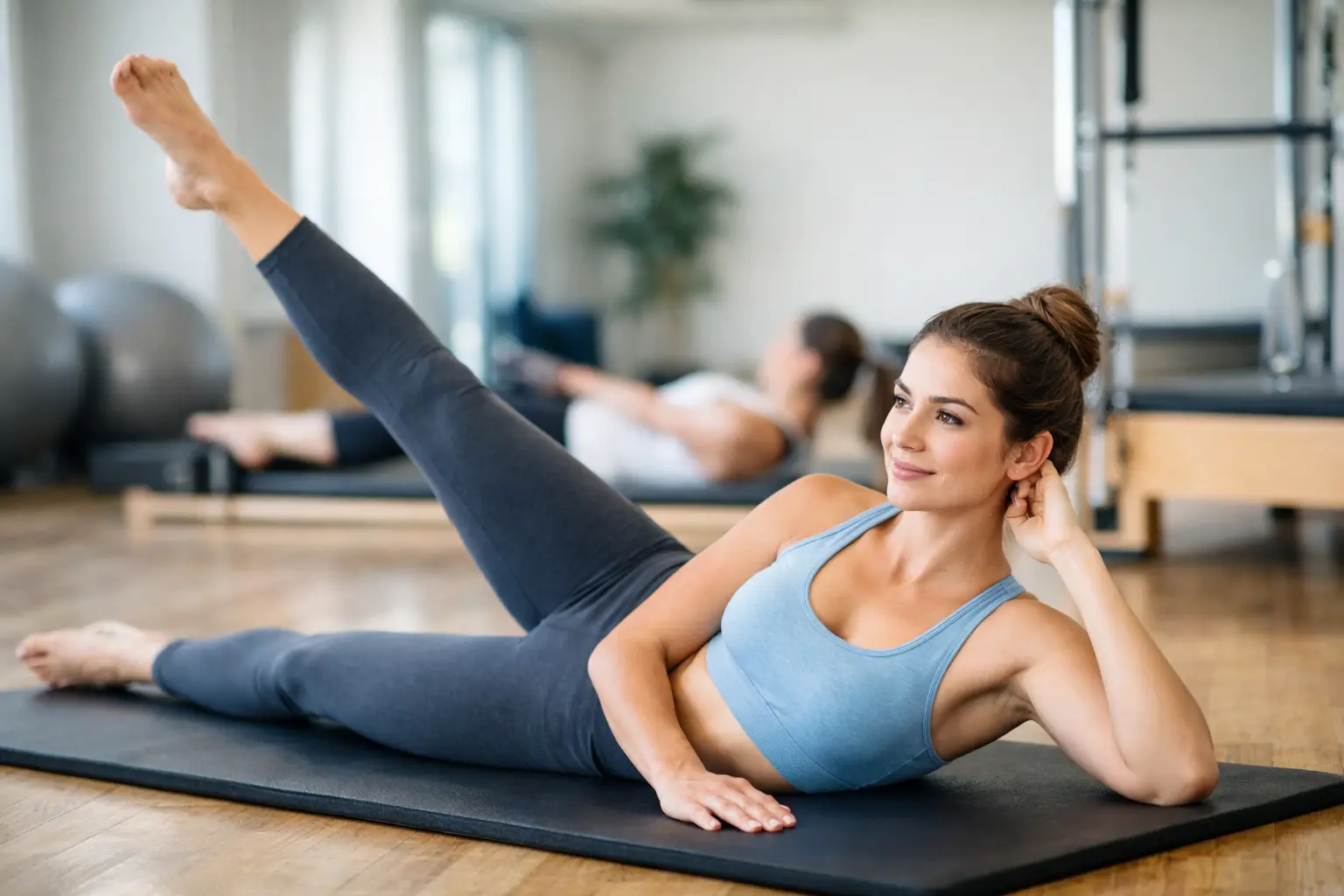
Starting Pilates can feel exciting right up until the moment you ask yourself how often should beginners do Pilates and realize there is no one-size-fits-all answer. Some people feel great after one class and want more right away. Others need a little time to adjust to the core work, controlled movement, and muscles they did not even know were working. The right schedule is the one that helps you build consistency without leaving you sore, frustrated, or burned out.
For most beginners, a strong starting point is two to three Pilates sessions per week. That is often enough to improve core strength, posture, mobility, and body awareness while still giving your body time to recover and learn the movements. If you are brand new to exercise, two sessions a week is usually the sweet spot. If you already walk regularly, do strength training, or stay active in other ways, three sessions may feel very manageable.
How often should beginners do Pilates each week?
The short answer is this: begin with two to three sessions per week for the first month. That schedule gives you enough repetition to actually improve, which matters in Pilates because form and control are everything. Going once in a while may feel good, but it is harder to build momentum, remember cues, and notice meaningful progress.
At the same time, more is not always better in the beginning. Pilates looks low impact, but it can challenge deep stabilizing muscles in a way that is surprisingly intense. If your abs, glutes, back, or hips are waking up for the first time in a while, your body may need a day between sessions. Recovery is part of the process, not a sign that you are doing something wrong.
A realistic beginner schedule might look like Pilates on Monday and Thursday, or Tuesday, Thursday, and Saturday. That spacing gives your body room to adapt while keeping the habit strong. If you are motivated and feeling good, you can always build from there.
Why two to three times a week works so well
Pilates is built on precision, breathing, control, and alignment. Those benefits show up best when you practice often enough to reinforce the patterns. Two to three sessions a week gives you regular exposure without overwhelming your body or your calendar.
This frequency also helps with something many beginners overlook: confidence. When classes are too spread out, it is easy to feel like you are starting over every time. But when you return within a few days, the cues start to click. You remember how to brace your core, how to stack your posture, and how to move with more intention.
That early confidence matters. It keeps you coming back, and consistency is where the real change happens.
When once a week is enough and when it is not
Once a week is not a bad place to start if your schedule is packed, you are recovering from inactivity, or you are easing back in after an injury with medical clearance. One focused class per week is absolutely better than doing nothing. You can still improve flexibility, body awareness, and mobility over time.
But once a week is usually the minimum, not the ideal, if your goal is steady progress. Most beginners who want better posture, a stronger core, and more noticeable gains will benefit from at least two sessions weekly. If you can only make one class, adding a short at-home mobility or core routine on another day can help bridge the gap.
The key is not judging your starting point. It is being honest about what you can sustain. A routine you can keep is always better than an ambitious plan you quit after two weeks.
Signs you are doing Pilates often enough
You do not need to wait for dramatic before-and-after changes to know your schedule is working. A beginner Pilates routine is doing its job if you notice small wins that build over time. Your posture may feel more upright at your desk. Your core may engage more naturally when you walk or lift groceries. Your hips and back may feel less stiff. You may even find that other workouts feel better because your body is moving with more control.
Another good sign is that class feels challenging but not crushing. You should leave feeling worked, aware, and energized, even if certain muscles are tired. If every session leaves you wiped out for days, your frequency may be too high, your intensity may need adjusting, or your body may need more recovery support.
Signs you may need more recovery time
Beginners sometimes assume soreness means success. A little muscle fatigue is normal, especially in the first couple of weeks. But persistent soreness, shaky form, low energy, or dread before class can be signs that your body needs a lighter approach.
If that sounds familiar, try reducing your sessions from three to two per week for a couple of weeks. You can also keep the same schedule and scale the intensity, especially if you are also doing circuit training, running, or lifting. Pilates works best when it supports your overall wellness, not when it competes with your recovery.
Sleep, hydration, nutrition, and stress all affect how often you can train. Two people can take the exact same class and recover very differently. That is why listening to your body is not just good advice. It is smart training.
How often should beginners do Pilates if they also lift weights or do cardio?
If Pilates is not your only workout, your ideal frequency depends on what else is in the week. For someone already strength training two to four days a week, adding Pilates twice weekly is often a great balance. It can improve mobility, core stability, posture, and movement quality without overloading your system.
If you are doing intense cardio, sports, or high-impact classes, Pilates can also serve as a powerful complement. In that case, one to two sessions may be plenty at first. You do not need to cram everything into one week to make progress. The goal is to create a routine where your workouts work together.
That is one reason guided programming matters. In a supportive studio setting like TNT Fitness Studio B, beginners can build a routine that matches their energy, goals, and current fitness level instead of guessing their way through it.
What results can beginners expect and when?
Most beginners start noticing early benefits within a few weeks of consistent practice. If you do Pilates two to three times a week, you may feel better posture, improved core engagement, and more mobility within the first two to four weeks. Visible changes in muscle tone, stronger endurance, and better overall movement often build over a longer stretch, usually after six to eight weeks of regular training.
That timeline can vary. Someone returning to movement after a long break may notice quick improvements in daily comfort and flexibility. Someone already active may be more focused on deeper control, balance, and performance. Both are progress.
The bigger point is this: Pilates rewards consistency more than intensity. You do not need marathon sessions. You need steady practice and good coaching.
A simple way to build your beginner Pilates routine
If you are not sure where to begin, keep it simple. Start with two classes a week for the first three to four weeks. Pay attention to how your body feels, how well you recover, and whether your confidence is growing. If that feels good, consider adding a third session or pairing your Pilates classes with walking, light strength work, or mobility training.
Try not to change everything at once. When people start a new routine, they often go all in, then lose momentum when life gets busy. A better approach is to choose a schedule that fits your real week. If mornings are chaotic, do not promise yourself five early workouts. If evenings are more realistic, build around that.
Progress grows from showing up regularly, even when the sessions are not perfect. That is how strength, flexibility, and trust in your body start to build.
The best Pilates schedule is the one you can keep
If you are asking how often should beginners do Pilates, the best answer is usually not the most aggressive one. It is the one that helps you stay consistent, recover well, and feel encouraged to keep going. For most people, that means two to three times a week. It is enough to make real progress and gentle enough to support long-term success.
You do not need to earn your place in Pilates by being advanced. You just need a starting point, a little guidance, and the willingness to come back. Give your body time to learn, let consistency do the heavy lifting, and trust that small steps practiced regularly can change how you move and feel every day.