You feel it when you stand up after sitting too long. Your hips are tight, your shoulders are stiff, and your body needs a minute to catch up. That is exactly why strength and mobility classes matter. They do more than help you work hard for an hour. They train your body to feel stronger, move more freely, and handle everyday life with more confidence.
For many adults, the challenge is not just getting exercise. It is finding a training style that improves strength without beating up the joints, and builds mobility without feeling too slow or disconnected from real results. That is where this kind of class shines. When strength and mobility are trained together, your workouts start supporting the way you actually live – from carrying groceries and lifting kids to sitting at a desk, walking the dog, or getting through a long workday without feeling worn down.
What strength and mobility classes actually do
A lot of people hear the word mobility and assume it just means stretching. It is a little more specific than that. Mobility is your ability to move a joint actively and with control through a healthy range of motion. Strength is what allows you to own that movement. Put them together, and you are not just becoming more flexible. You are becoming more capable.
That matters because flexibility without strength can leave you unstable, while strength without mobility can leave you stiff and limited. A smart class balances both. You might work on core stability, glute strength, shoulder control, posture, and lower-body power in the same session. The goal is not random fatigue. The goal is better movement quality and lasting progress.
This approach is especially helpful for people who want to feel athletic without training like a competitive athlete. You do not need to chase heavy max lifts or high-impact workouts to make meaningful changes. In fact, for many people, a lower-impact format with thoughtful coaching leads to better consistency, and consistency is what changes your body over time.
Why strength and mobility classes fit real life
If your body feels tight, weak, or out of balance, there is usually a reason. Hours of sitting, stress, old injuries, poor posture, and stop-and-start workout habits all add up. A class built around strength and mobility helps address those patterns instead of ignoring them.
You may notice simple wins first. Getting up from the floor feels easier. Your back is not as cranky after a workday. Your shoulders open up. You can squat with more control. Stairs feel less demanding. These are not small things. They are signs that your body is functioning better.
There is also a confidence piece that people often overlook. When you feel stronger and more coordinated, you are more likely to stay active. You stop second-guessing every movement. You trust your body more. That trust can be a huge turning point, especially for beginners or anyone returning to exercise after time away.
Who benefits most from strength and mobility classes
The short answer is almost everyone, but the reason looks different from person to person.
If you are a beginner, these classes can give you a safer and more supportive entry point than a crowded gym floor. You get structure, coaching, and clear progressions. You do not have to guess what to do next.
If you already work out, adding mobility-focused strength training can help fill the gaps. Plenty of active adults are strong in some patterns but restricted in others. They can push through workouts, but they do not always move well. That can show up as nagging discomfort, poor recovery, or plateaus.
If you are managing stiffness, posture issues, or the wear and tear that comes from a busy schedule, this format can be especially valuable. It meets you where you are while still moving you forward. That balance is a big reason people stick with it.
What to expect in strength and mobility classes
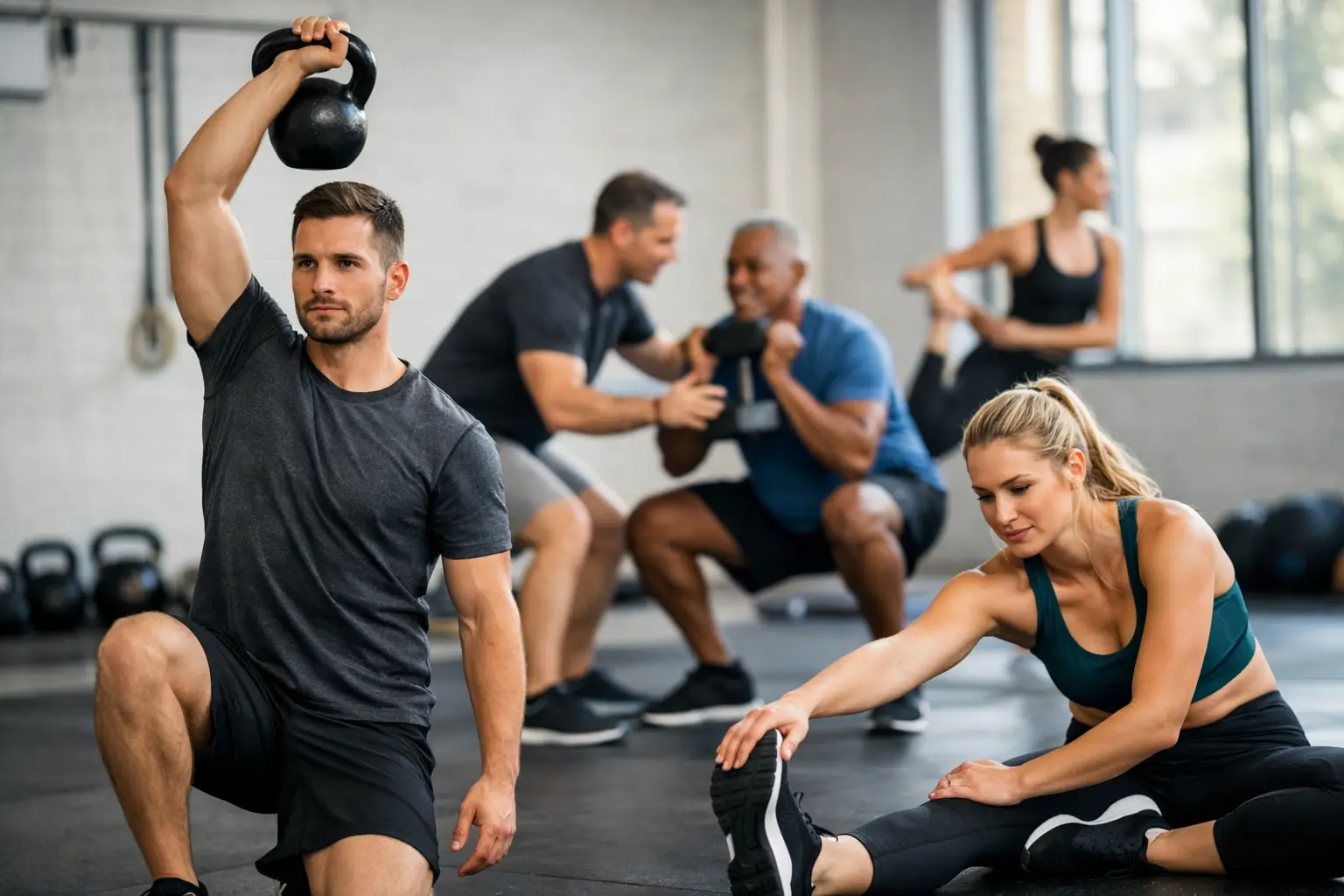
A good class should feel purposeful from start to finish. You are not just warming up to get warm. You are preparing your joints, core, and muscles for better movement. That may include controlled mobility drills, breathwork, activation exercises, and foundational patterns like squats, hinges, presses, and rotations.
From there, the strength work should match your current level. Some people need bodyweight variations. Others are ready for resistance bands, dumbbells, or circuit-based challenges. Neither is better. It depends on your needs, your experience, and how well you move with control.
You should also expect coaching that helps you understand what you are doing and why. That education piece matters. When clients learn how to brace their core, align their posture, and move through exercises with intention, progress tends to happen faster and more safely.
At TNT Fitness Studio B, that supportive coaching environment is part of what makes training more effective. People do better when they feel seen, encouraged, and guided instead of left to figure things out alone.
The trade-off to understand
Not every workout needs to leave you exhausted to be effective. That can be a mindset shift.
Some people come into strength and mobility classes expecting nonstop intensity. There can absolutely be challenge, especially in circuit-based formats or Pilates-inspired strength work, but the bigger focus is quality. You may spend more time controlling a movement, stabilizing a joint, or improving alignment than chasing speed. That does not mean the workout is easier. It means it is more intentional.
The trade-off is simple. If your only measure of a good workout is how sweaty you feel, this style may surprise you. But if your measure includes how your body feels later, how well you recover, and whether you are actually getting stronger with better range of motion, then this approach starts to make a lot of sense.
How these classes support long-term results
Quick-fix fitness usually falls apart because it asks too much from people too fast, or it ignores the bigger picture. Lasting results come from a plan you can repeat week after week.
Strength and mobility classes support that kind of consistency. They are challenging enough to drive progress, but smart enough to reduce unnecessary wear and tear. For many adults, that is the sweet spot. You build muscle, improve stability, and move with more ease without constantly feeling run down.
This is also where community makes a difference. Training around people who are working toward better health, better posture, and better habits can keep motivation high. You are not just showing up for a workout. You are stepping into an environment that reinforces your goals.
And when classes are paired with coaching, nutrition guidance, or wellness education, the benefits grow. Better movement in the studio often leads to better choices outside of it. You start paying attention to recovery, hydration, stress, and daily habits because your body gives you more feedback when it starts feeling better.
How to know if a class is right for you
The right class should challenge you without making you feel lost. It should offer progressions, clear instruction, and space for different fitness levels. You want a setting where proper form matters, questions are welcome, and your goals are taken seriously.
It also helps to think about what you want most right now. If you are dealing with stiffness, low energy, poor posture, or inconsistent workouts, strength and mobility classes can be a strong fit. If you want training that improves how you feel in your body rather than just how you look in a mirror, they may be exactly what you need.
You do not need to be flexible to start. You do not need to be strong already. You just need a willingness to show up, learn, and stay consistent long enough to feel the difference.
That difference is not always dramatic on day one. Sometimes it starts with standing taller, moving with less tension, and finishing a class feeling worked but not defeated. Keep going, and those small changes begin to stack up. Stronger legs. Better balance. More core control. Easier movement. More confidence.
If your body has been asking for a smarter way to train, listen to it. The best workout is not the one that breaks you down. It is the one that helps you come back stronger, steadier, and ready for real life.